
Moonbeam Menu
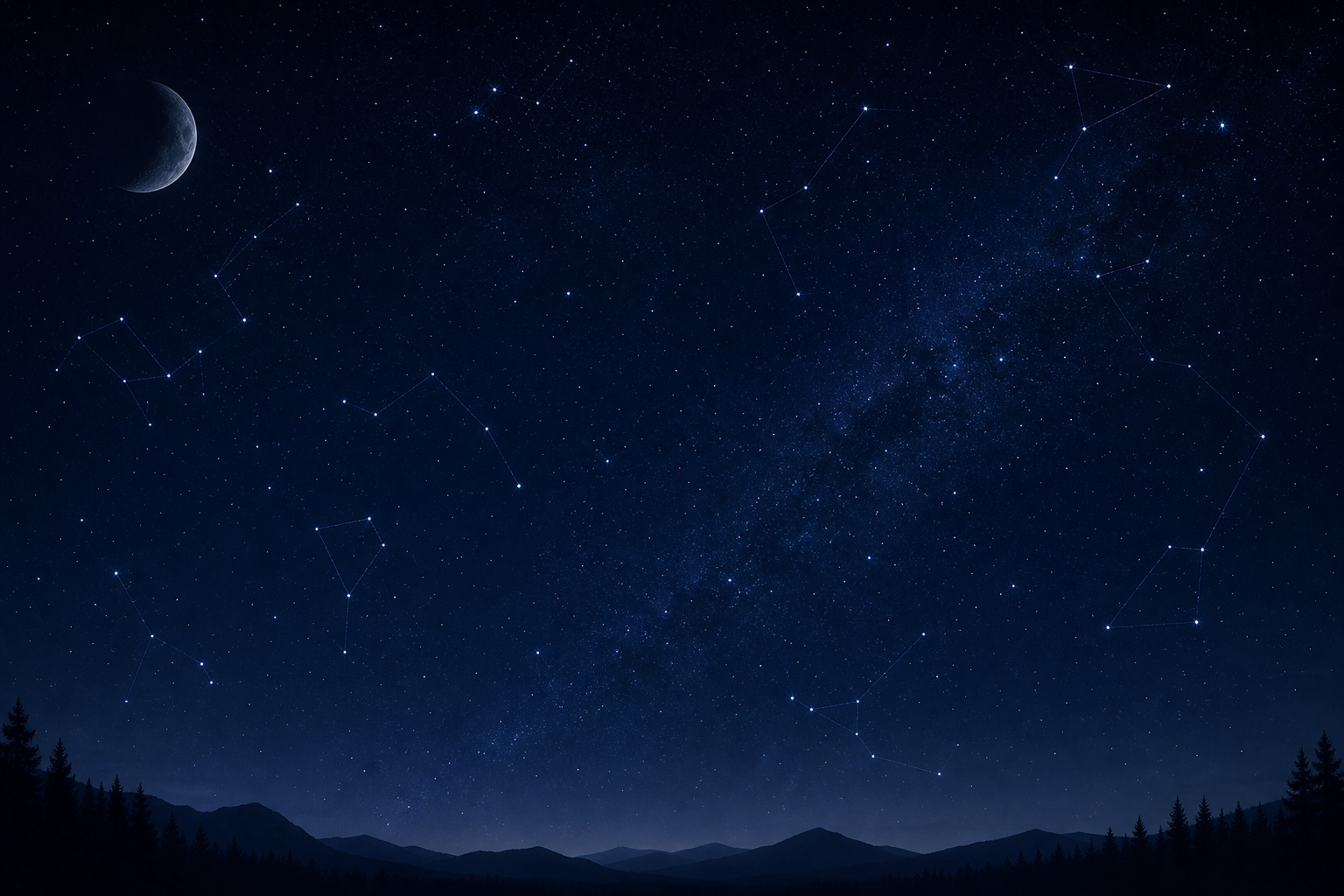
Calm deep-night sky with faint constellation linework and soft star clusters

Observe the night sky together.

Moonbeam Astronomy Club shares clear sky notes, constellation guides, and meetup updates for curious amateur stargazers.

  • Beginner friendly

    Simple guidance for your first observing nights.

  • Shared observation notes

    Concise logs from recent moon and planet sessions.

  • Community meetups

    Monthly local gatherings under the open sky.

Club introduction

A local club for curious eyes.

We learn the sky together through regular observation notes, simple constellation guides, and shared nights under open skies.

Beginners are encouraged—come as you are, ask questions freely, and build confidence one clear night at a time.

Constellation guides for practical night-sky learning

Start with compact, beginner-friendly guides that help you identify patterns, track lunar phases, and observe with confidence.

  • Seasonal constellations

    See which major constellations rise each season and where to spot them first.

  • Reading the night sky

    Learn simple orientation cues using horizon lines, cardinal directions, and star paths.

  • Moon watching basics

    Track phases, terminator detail, and best viewing windows with minimal equipment.

  • Getting started observing

    Build a first-night routine with naked-eye targets, notes, and easy repeat steps.

Observation highlights

A quick sky-read for tonight: simple cues to help you decide what to look for first.

Evening visibility

Bright guide stars emerge soon after twilight, making an easy starting map for newcomers.

Moonlight conditions

Brighter moonlight softens faint targets, so planets and major constellations read most clearly.

Darker-sky timing

Later sessions often bring steadier contrast, helpful for tracing dimmer star patterns.

Seasonal landmark

Use the season’s signature constellation as an anchor, then step outward to nearby deep-sky favorites.

Meetup announcements

Next meetup, clear skies permitting.

Each gathering follows a simple rhythm: quick orientation, shared observing, and practical updates so you can arrive prepared.

What a meetup includes

  • • Brief sky orientation and target list.
  • • Telescope sharing with guided viewing turns.
  • • Short note-taking tips for your observing journal.

What to bring

  • • Warm layers, red-light torch, and steady footwear.
  • • Binoculars if you have them (optional).
  • • A notebook or phone for simple sky notes.

Weather and viewing updates

  • • Same-day sky checks are posted before departure time.
  • • Cloud cover or wind changes may shift start times.
  • • Final status is shared clearly: proceed, delay, or reschedule.

Wherever you are in your astronomy journey, you are welcome to observe with us at your own pace.

Join the next skywatch

Frequently asked questions

Quick answers for first-time visitors, so you can join the next skywatch with confidence.

Can complete beginners join the club?

Yes—beginners are always welcome, and we explain each session in plain language.

Do I need a telescope or special equipment?

No equipment is required; bring your eyes, and binoculars or a telescope only if you already have them.

What happens if the weather changes on meetup day?

We post updates before start time and either shift plans, shorten the session, or reschedule if skies are fully closed.

Is membership formal, or can I join casually?

Participation is casual by default, with optional ways to stay involved if you want regular updates.

What is a typical meetup like?

We begin with a short sky briefing, then observe key targets together and share practical notes before closing.